
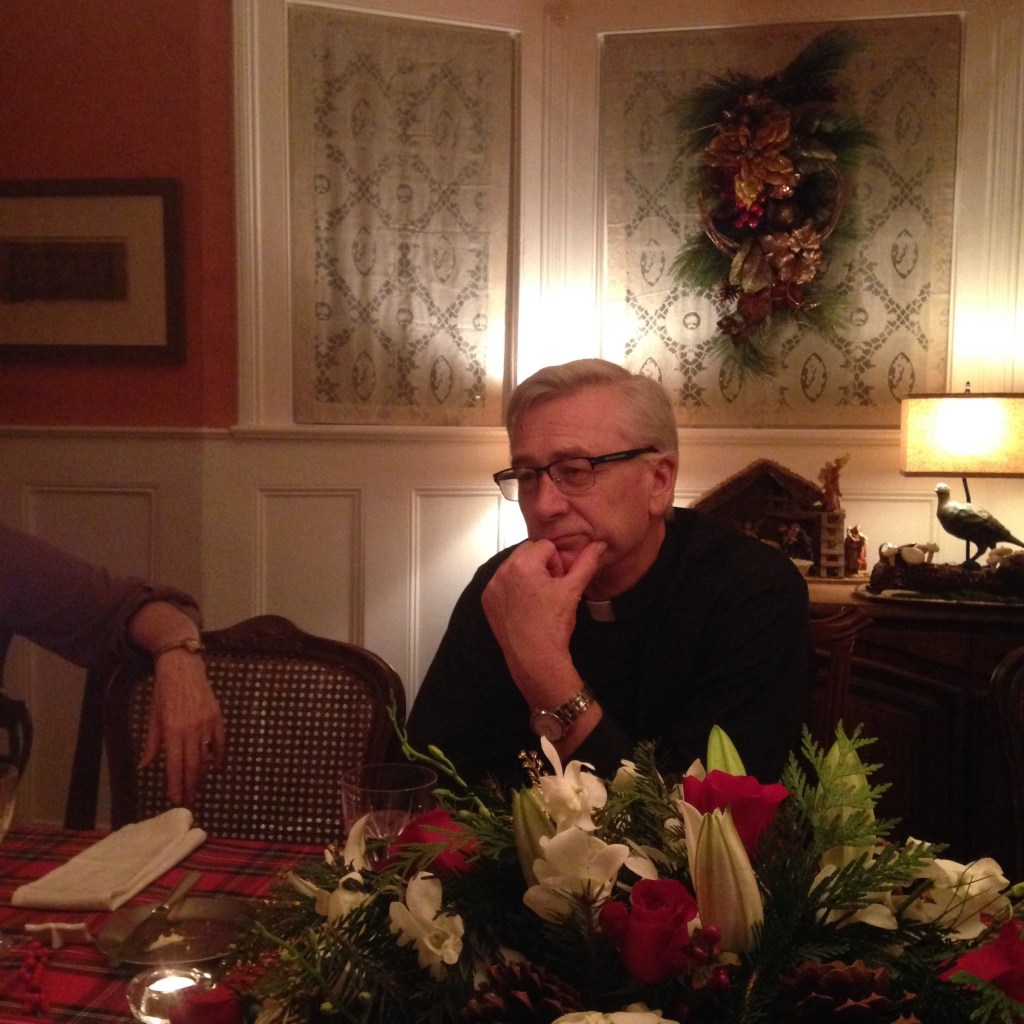
The Reverend Dr. Linden DeBie graduated from California State University, Fullerton with his BA. He attended New Brunswick Theological Seminary where he obtained his Masters of Divinity and Masters of Theology. He went on to study the Philosophy of Religion at McGill University where he obtained his PhD in 1987. He has published three books on Mercersburg, Speculative Theology and Common-Sense Religion, 2008, The Mystical Presence: And the Doctrine of the Reformed Church on the Lord’s Supper, ed. 2012, Coena Mytica: Debating Reformed Eucharistic Theology, ed., 2013, and is currently working on Nevin’s biography. The Mystical Presence and Coena Mystica are edited works by John W. Nevin, but include extensive apparatus to help the reader understand nineteenth century Reformed sacramental questions, as well as helpful background information and biographies of both Charles Hodge and John Nevin. All three were published by Wifp&Stock.
Linden has published numerous articles on the Mercersburg Movement including “Reformed Eucharistic Theology and the Case for Real Presence,” in Theology Today, 71, Number 4, 2015 and “Germ Genesis and Contemporary Impact of Mercersburg Philosophy,” The New Mercersburg Review, 38, 2009, and has lectured extensively on the subject. He was editor of the same Review from 2000-2008.
Linden has served as a pastor in the Reformed Church in America for over thirty years, and taught theology at New Brunswick Theological Seminary.
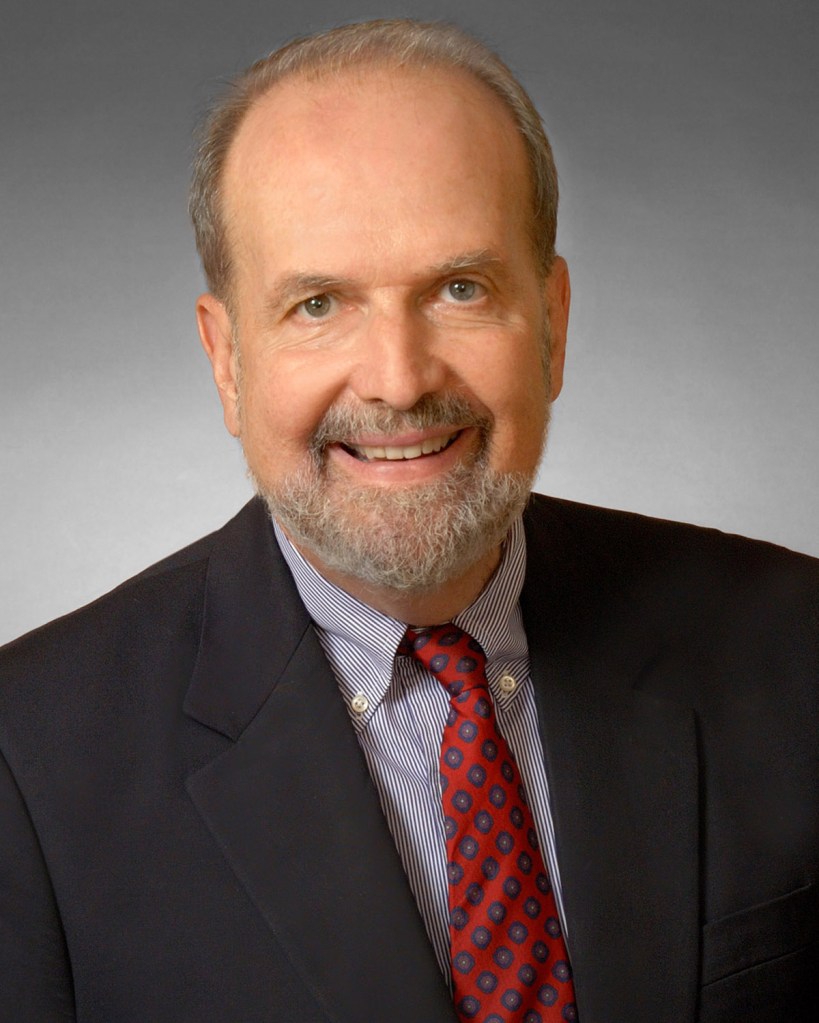
Lee Barrett is the Mary B. and Henry P. Stager Professor of Theology at Lancaster Theological Seminary where he has taught since September 1993. Prior to this, Lee taught theology at the Presbyterian School of Christian Education in Richmond, Virginia. He holds B.A., M.A., M.Div., and Ph.D. degrees from Yale University.
Lee’s interests include the relationship between the doctrinal traditions of the Christian churches and contemporary culture. He is the author of essays concerning the present-day implications of the theology of the Reformed tradition, as well as the thoughts of Søren Kierkegaard. Lee is particularly interested in the theological significance of literature and the visual arts. Lee has published and lectured extensively on Mercersburg and is a leading authority on the subject including “The Heidelberg Catechism: A New Paradigm for Theology” in The New Mercersburg Review, 2004.

David Wayne Layman, PhD
David Wayne Layman received his undergraduate degree from the University of Chicago in 1977, studied at Lancaster (Pennsylvania) Theological Seminary 1982–83, and received his Ph.D. from the Department of Religion at Temple University in 1994. He spent the next thirty years teaching at institutions in the south-central Pennsylvania.
When the Mercersburg Theology Study Series was created in 2010, he came on as editor of volume 6, Born of Water and the Spirit: Essays on the Sacraments and Christian Formation. When the founding editor of the series, W. Bradford Littleford, moved on to other interests, he became general editor of the series along with Lee Barrett of Lancaster Theological Seminary.
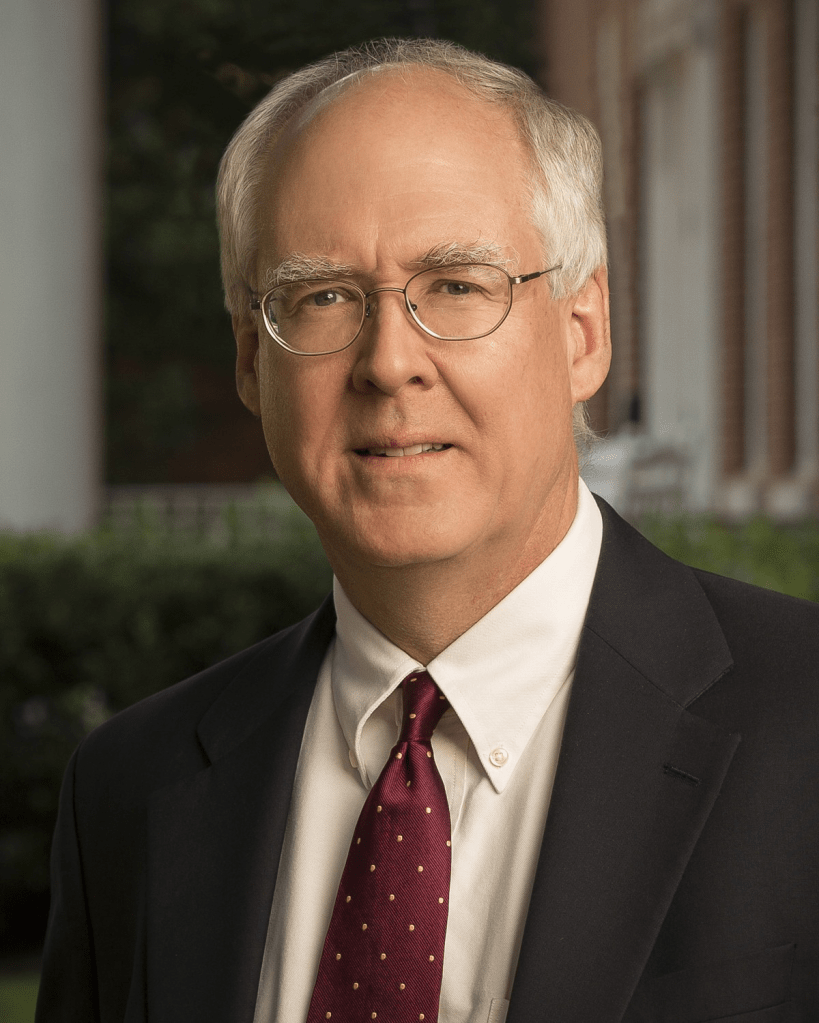
William B. Evans, PhD
The Rev. William B. Evans, Ph.D., taught at Erskine College and Seminary in Due West, South Carolina for 31 years, where he served as the Eunice Witherspoon Bell Younts and Willie Camp Younts Professor of Bible and Religion. He holds degrees from Taylor University (AB), Westminster Theological Seminary (MAR, ThM) and Vanderbilt University (MA, PhD). In addition to many articles, he is the author of Imputation and Impartation: Union with Christ in American Reformed Theology (Paternoster, 2008), What Is the Incarnation? (P&R, 2013), A Companion to the Mercersburg Theology: Evangelical Catholicism in the Mid-Nineteenth Century (Cascade, 2019), and he edited The Incarnate Word: Selected Writings on Christology, Mercersburg Theology Study Series, vol. 4 (Wipf and Stock, 2014). He is a retired minister in Foothills Presbytery of the Presbyterian Church (USA).
Peter Schmiechen, PhD
Peter Schmiechen received a Ph.D. from Harvard in 1969. He taught and was Dean at Elmhurst College, then becoming President of Lancaster Seminary from 1985-2002. His writing has been in the area of Christology and the Church: Saving Power: Theories of Atonement and Forms of the church (Eerdmans); Gift and Promise: An Evangelical Theology of the Lord’s Supper (Wipf and Stock) and Tradition in Crisis: The Case for Centric Protestants (Wipf and Stock).
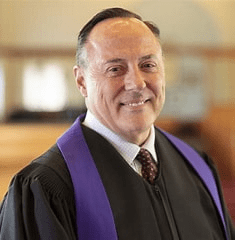
Paul Capetz, PhD
Paul E. Capetz is a liberal Protestant theologian in the Reformed tradition. His research interests focus on the development of modern theology and its relations to the heritage of the Reformation. He is principally concerned with the implications of a thorough-going historical interpretation of religion for the normative disciplines of theology and ethics. He has authored two books: Christian Faith as Religion: A Study in the Theologies of Calvin and Schleiermacher (University Press of America, 1998) and God: A Brief History (Fortress Press, 2003; forthcoming in a French translation). He has also co-edited (with Theo A. Boer) a volume of essays by James M. Gustafson, Moral Discernment in the Christian Life: Essays in Theological Ethics (Westminster/ John Knox Press, 2007). Together with Brent W. Sockness, Capetz is currently engaged in preparing a volume of newly translated essays on ethics and historicism by Ernst Troeltsch.
 Mercersburg Today